Types of Stretch Fringe
We offer two types of stretch fringe for different dance costume needs:
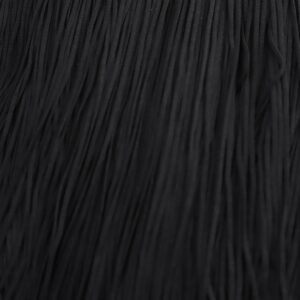
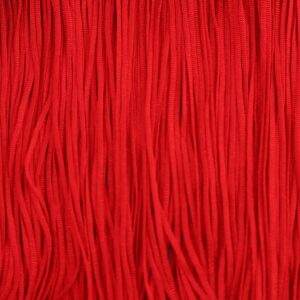
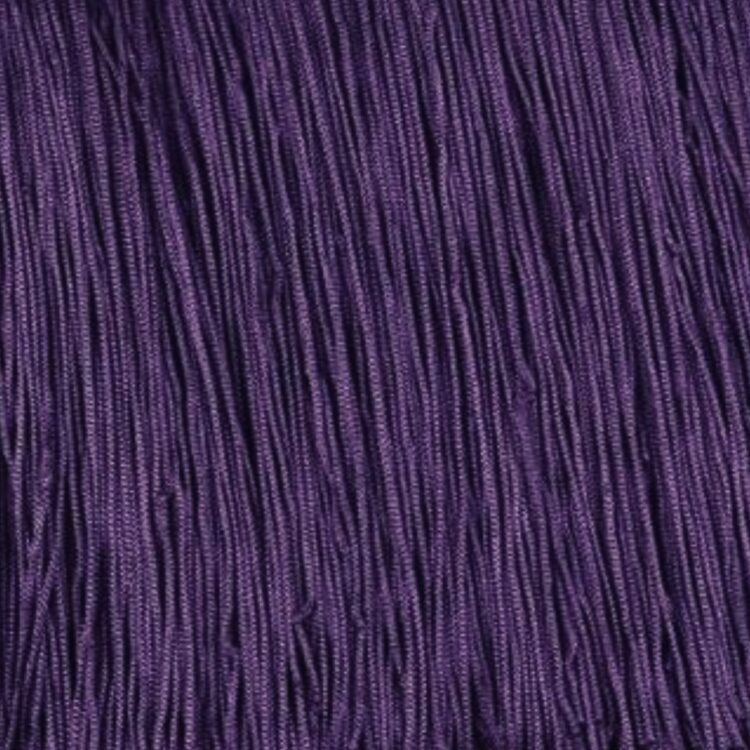
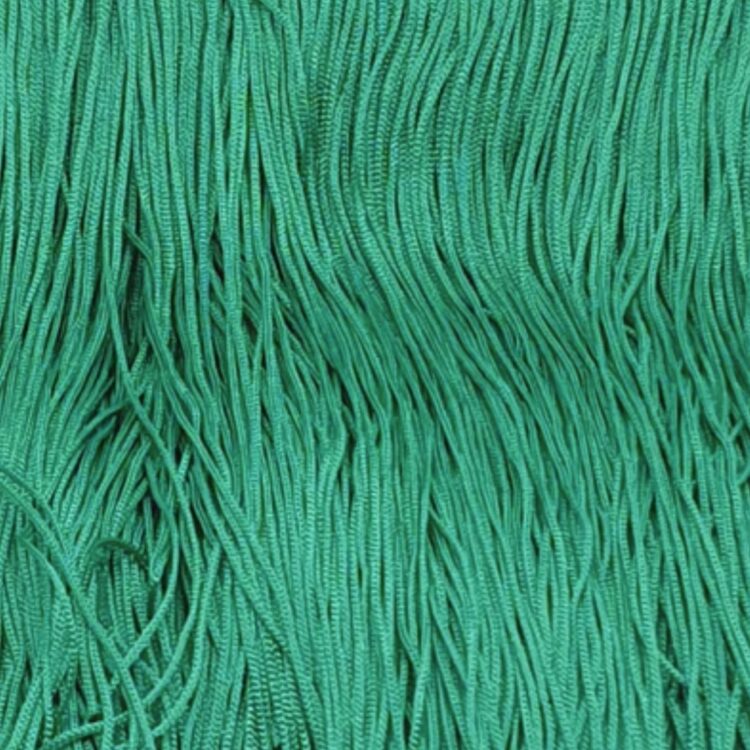
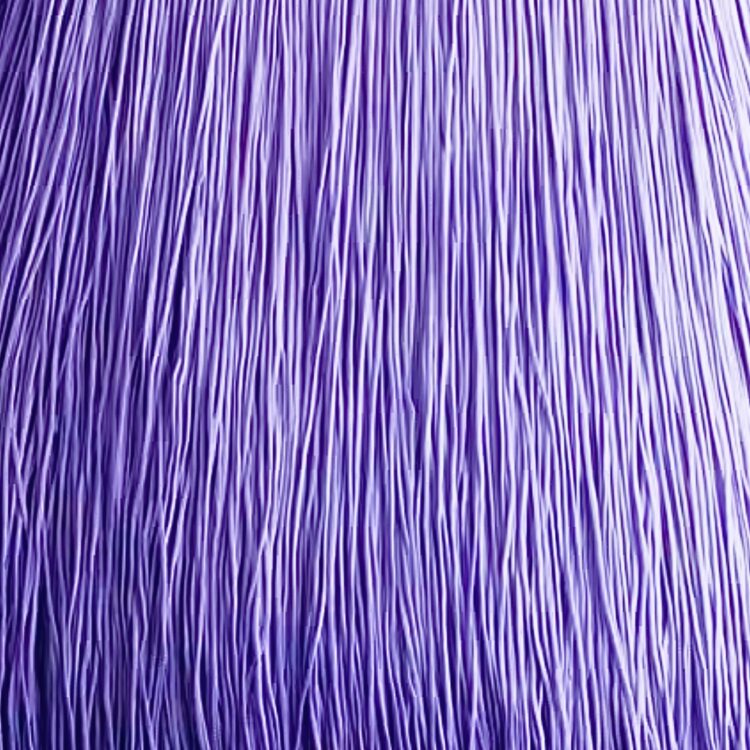
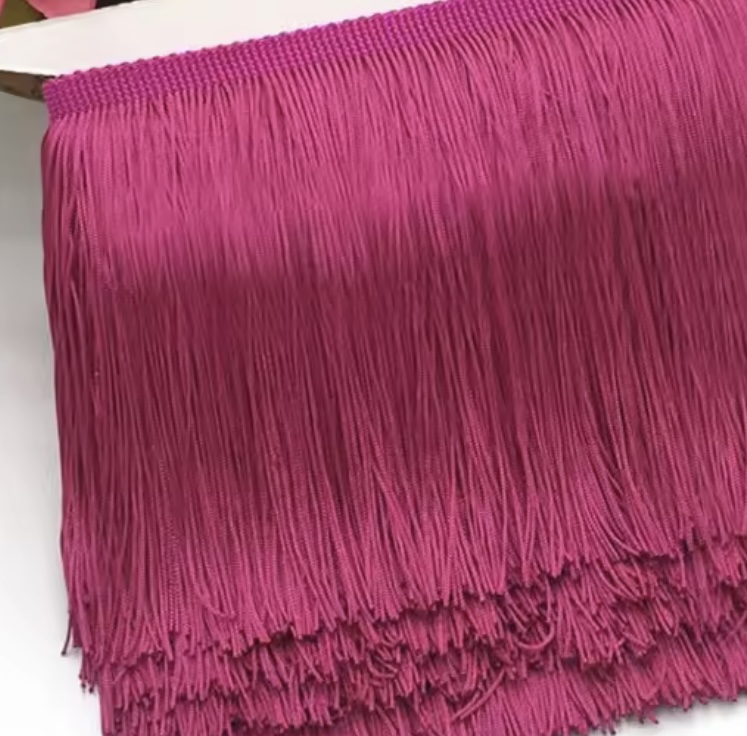
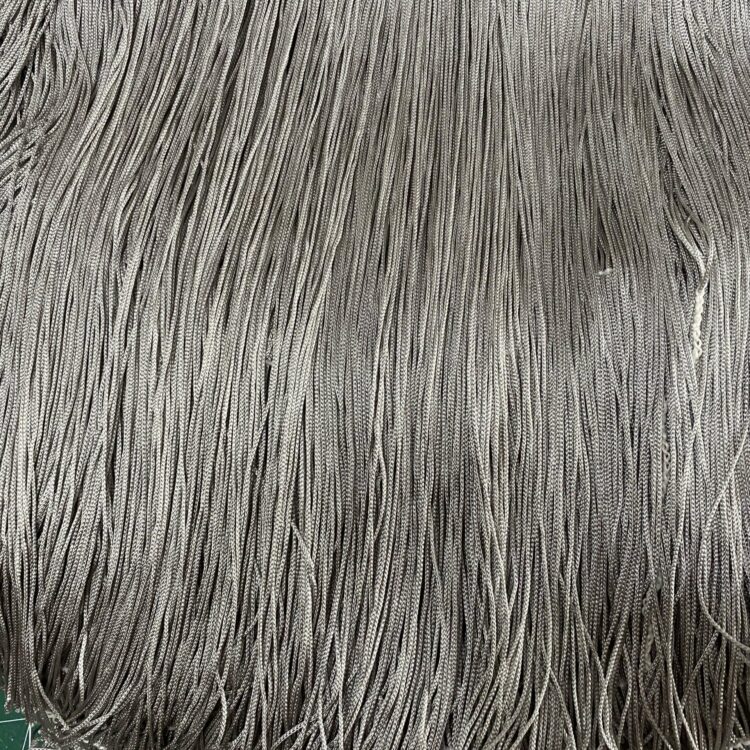
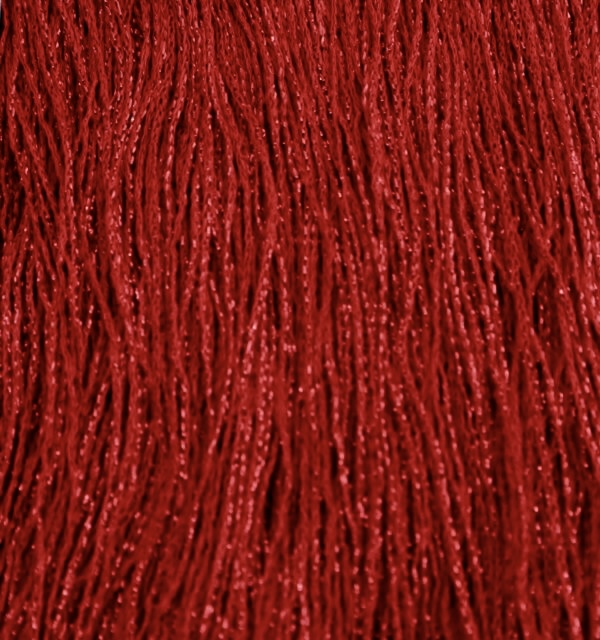
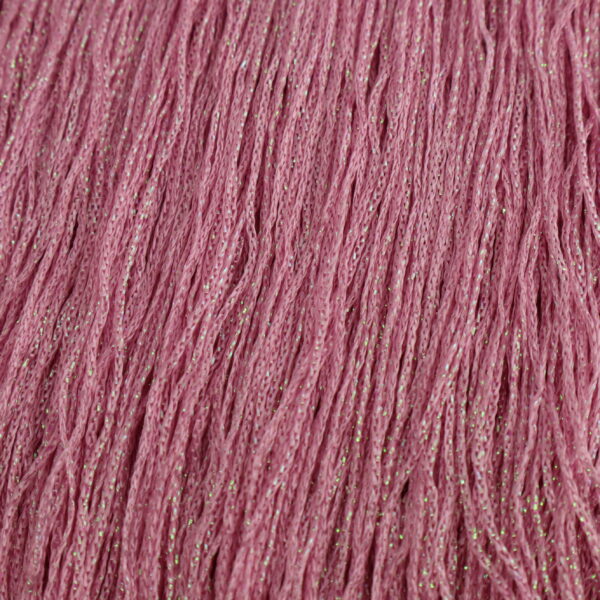
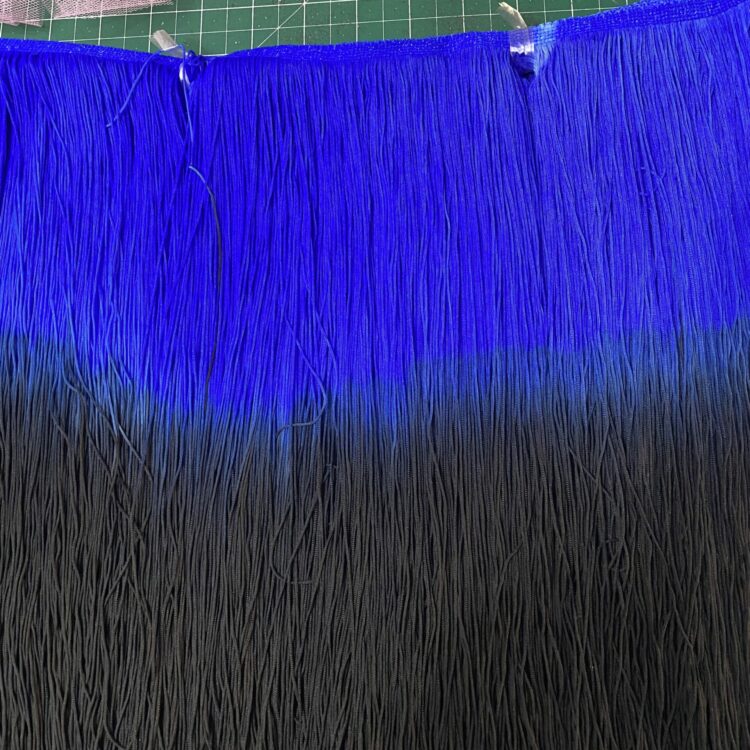
- Stretch chainette fringe: This type of fringe is made of many thin strands. It moves beautifully during dance and catches the light well. It’s often used in Latin and ballroom dance costumes.
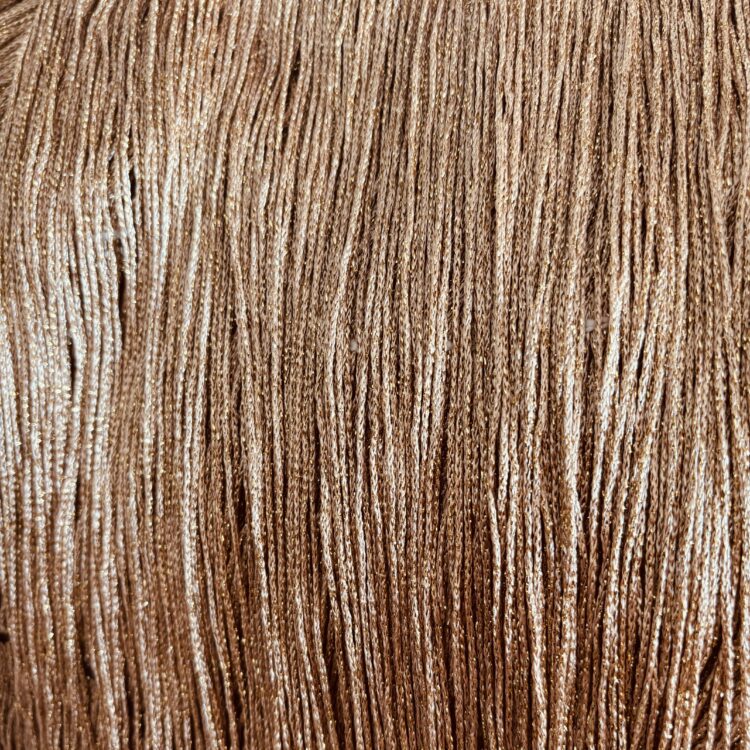
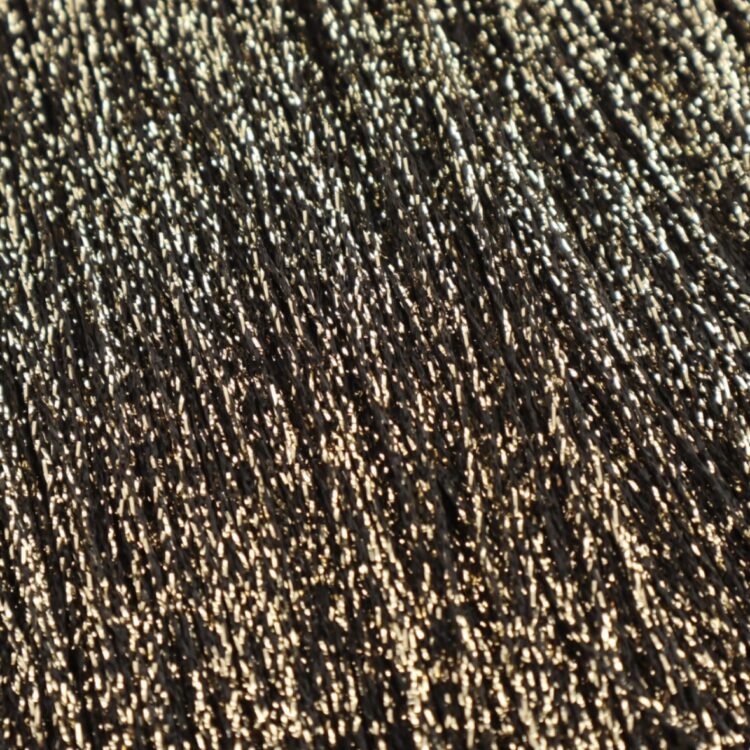
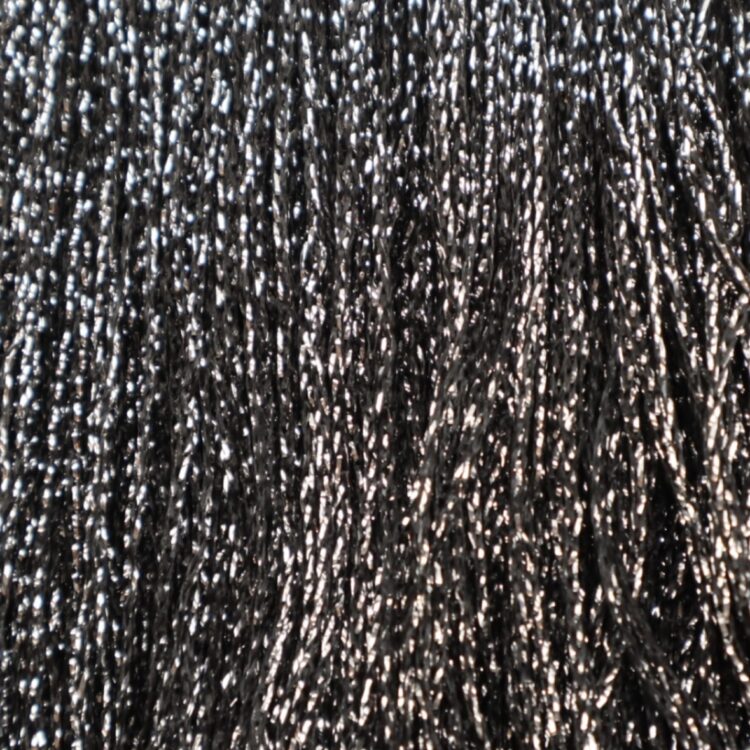
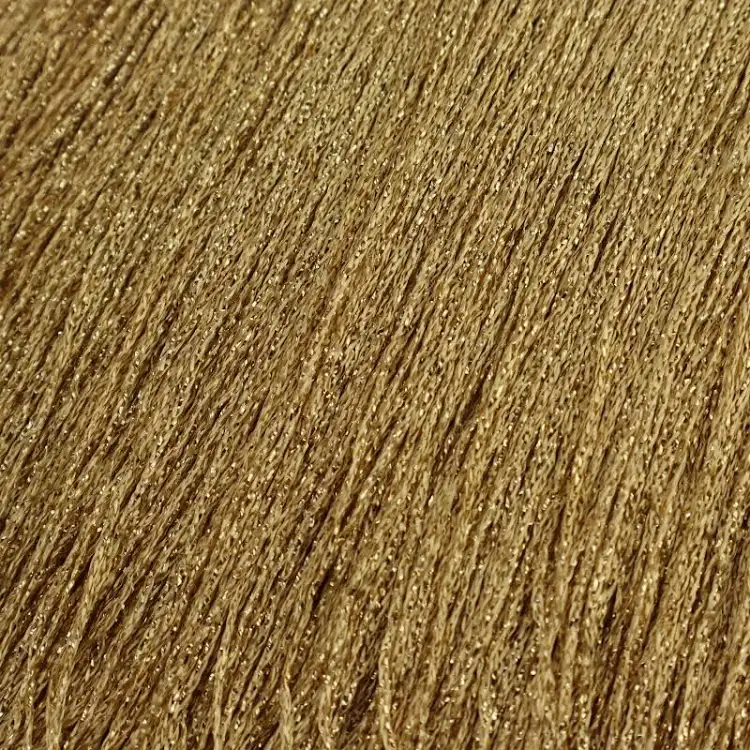
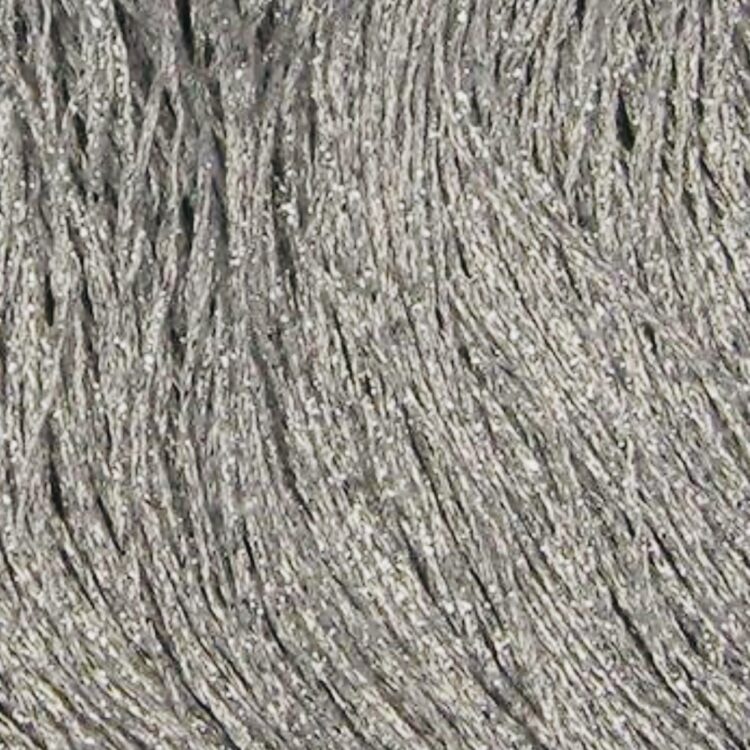
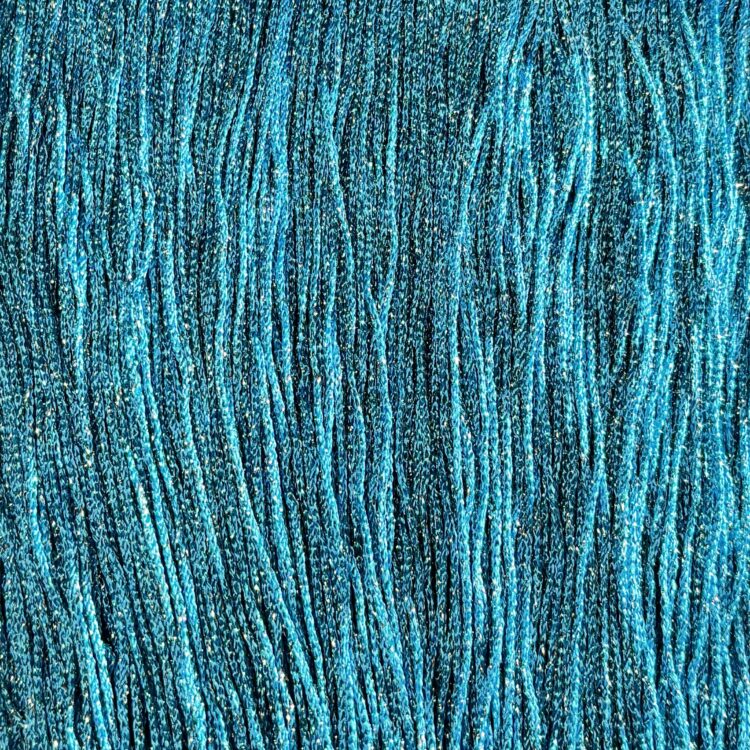
- Metallic stretch fringe: This fringe has a shiny, metallic look. It’s great for adding sparkle to your costume and works well under stage lights.
Using Stretch Fringe in Dance Costumes
Our stretch fringe trim can be used in many types of dance costumes:
- Latin and Ballroom: Stretch chainette fringe is often used on skirts and sleeves. It moves nicely during spins and quick steps.
- Jazz and Charleston: Longer fringe can be used to create flapper-style dresses. The fringe swings and sways with jazz movements.
- Contemporary: Shorter fringe can be used to add texture to costumes without getting in the way of floor work.
- Tap: Fringe on the arms or legs can emphasise tap movements and add visual interest.
Benefits of Stretch Fringe
Stretch fringe has several good points for dance costumes:
- It moves with the dancer, stretching and returning to its original shape.
- It’s lighter than a non-stretch fringe, which is good for fast dance moves.
- It can be sewn onto stretchy fabrics without affecting the fabric’s stretch.
- It comes in many colours, so you can match it to your costume easily.
Tips for Working with Stretch Fringe
When using stretch fringe trim in your dance costumes:
- Sew it onto the costume when the fabric is slightly stretched. This will help the fringe lie flat when the costume is worn.
- Use a zigzag stitch when sewing to allow for stretch.
- If you’re using a sewing machine, a walking foot can help feed the fringe evenly.
- Hand-sewing can give you more control, especially when working with stretch chainette fringe.
Caring for Costumes with Stretch Fringe
To keep your fringed dance costumes looking good:
- Hand wash gently in cool water. Avoid wringing or twisting the fringe.
- Let the costume air dry flat or hang it to dry.
- Gently comb the fringe with your fingers when it’s dry to keep it neat.
- Store fringed costumes hanging up to avoid crushing the fringe.
FAQs
What is stretch fringe used for in dance costumes?
Stretch fringe is used in dance costumes to add movement and visual interest. It’s often used on the edges of skirts, sleeves, or bodices. The fringe moves with the dancer, emphasising steps and spins. It’s especially popular in Latin and ballroom dancing, but it’s also used in jazz, contemporary, and other dance styles. Stretch fringe can make a costume more exciting to watch and can help tell the story of the dance.
How do you attach a stretch fringe to a costume?
To attach a stretch fringe to a costume, you can sew it on by machine or by hand. When using a sewing machine, use a zigzag stitch to allow for stretch. Sew the fringe on while the base fabric is slightly stretched. This helps the fringe lie flat when the costume is worn. Hand-sewing can give you more control, which is helpful with delicate fringe. Always test your method on a scrap piece of fabric first.
How long should fringe be on a dance costume?
The length of fringe on a dance costume depends on the style of dance and the effect you want. For Latin dances, the fringe is often 15-20 cm long. Longer fringe, up to 30 cm or more, is common in flapper-style costumes for jazz or Charleston dances. Shorter fringe, around 5-10 cm, can add texture without getting in the way of movements. Consider the dancer’s height and the specific dance moves when choosing fringe length.
Can you wash costumes with stretch fringes?
Yes, you can wash costumes with stretch fringe, but you need to be careful. Hand wash the costume gently in cool water with a mild detergent. Don’t twist or wring the fringe. Rinse well and let the costume air dry flat or hanging up. Avoid using a dryer as the heat can damage the fringe. Once dry, gently comb the fringe with your fingers to neaten it. For very delicate or valuable costumes, professional cleaning might be best.
What’s the difference between regular fringe and stretch fringe?
The main difference is that stretch fringe can stretch and return to its original shape, while regular fringe can’t. This makes stretch fringe good for dance costumes made with stretchy fabrics. Stretch fringe moves more freely with the dancer’s body and can emphasise dance movements better. It’s also usually lighter than regular fringe, which is helpful for fast-paced dances. However, regular fringe might be cheaper and come in more styles.
How do you stop fringe from tangling on a dance costume?
To stop fringe from tangling on a dance costume, try these tips: Gently comb the fringe with your fingers before and after each use. Store the costume hanging up so the fringe hangs freely. You can also try lightly spraying the fringe with a fabric softener solution, which can help reduce static and tangling. For costumes with very long fringe, some dancers braid the fringe loosely for storage and unbraid it before use.
Find our full range of stretch fringe here.